Raw Dog Food NZ. The Complete Guide for Kiwi Dog Owners
Jamie
TL:DR
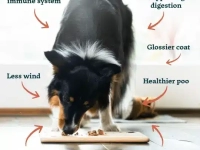
Many dog owners see the same issues. Itching, bad breath, soft stools, dull coats, and low energy. These signs often trace back to diet.
Most kibble goes through heavy processing. Raw feeding returns dogs to whole foods. Meat, bones, and organs.
When dogs switch, owners often report better digestion, healthier skin, cleaner teeth, and more energy.
For many dogs, health starts in the bowl.
THE OVERVIEW...
What is raw dog food?
Raw dog food consists of unprocessed animal ingredients fed without cooking or heat treatment. The standard formulation is 80% muscle meat, 10% raw meaty bone, and 10% organ meat, which reflects the nutritional composition dogs evolved eating before commercial pet food existed.
If your dog is still on dry food, these ideas can make kibble more appealing while you transition toward real food.
Kuri City’s raw range follows this 80:10:10 ratio, formulated in conjunction with experts who have over 40 years of experience in canine nutrition. The difference from a DIY raw diet is formulation: the ratios, protein sources, and nutrient balance are worked out so you don’t have to.
What does raw food actually do for a dog’s health?
That gap is substantial. A raw-fed dog absorbs almost all of what they eat, while a kibble-fed dog passes a significant portion as waste. The practical results are smaller, firmer stools, more sustained energy, and a coat that reflects the improvement in nutrient absorption.
Area
Raw-fed dogs
Kibble-fed dogs
Protein digestibility
95.7%
57.1%
Fat digestibility
97.5%
92.1%
Coat condition
Improved vs extruded dry
Baseline
Gut microbiome diversity
Higher
Lower
Local inflammatory markers
Potentially reduced
Baseline
Alicia O. in Christchurch switched her Sheprador to Kuri’s raw range after months of failed attempts to resolve a skin condition:
“My Sheprador was suffering a bad skin condition for a few months. We took him to the vet, tested for mites and everything. Tried at-home and over-the-counter treatments, until it occurred to me that diet is probably the cause. I’ve read that German Shepherds can be allergic to chicken and other proteins. As he got worse, scratching and pulling out his fur, a raw diet was on the cards for the new year. I’m so glad I chose Kuri. Both of my dogs love it beyond belief, and within a couple of weeks, his skin condition was basically gone. The hair is still growing back around his legs and belly, but he’s finally able to relax.” — Alicia O.
Is raw food safe for dogs?
Yes, when the diet is properly formulated and handled with the same care as any raw meat. The bacterial and nutritional risks cited in research trace to unbalanced homemade diets, not commercial formulated raw.
A 2025 review in Animals (Basel) notes that raw diets carry risks including pathogenic bacteria and nutritional imbalance. Both are real concerns in the context of DIY raw feeding, where organ meat ratios, protein variety, and nutrient completeness are left to guesswork. A commercially formulated raw diet addresses both risks through consistent formulation and reliable sourcing.
Handling is straightforward: refrigerate promptly, thaw in the fridge rather than on the bench, and wash your dog’s bowl and any surfaces after feeding.
How does raw feeding affect a dog’s gut?
Raw-fed dogs show greater gut microbiome diversity and higher local immune markers than kibble-fed dogs. A 2024 study of 55 dogs published in Frontiers in Veterinary Science found raw feeding had “a potentially beneficial effect on local inflammatory markers,” with significantly higher fecal IgA and IgG levels in the raw-fed group.
The same study found no difference in systemic inflammation markers between the two groups. That distinction matters: raw feeding appears to support gut-level immunity specifically. For dogs with digestive sensitivities or skin conditions linked to gut health, this local effect is what’s relevant.
How much raw food should I feed my dog?
Feed 2–3% of your dog’s ideal body weight per day. A 10kg dog needs 200–300g daily; a 20kg dog needs 400–600g. Split into two meals if your dog is used to twice-daily feeding.
Smaller dogs often need to sit closer to 3% (or slightly above) due to their higher metabolic rate relative to body weight. If your dog is a small breed, read our complete guide to raw feeding small dogs in NZ for breed-specific guidance.
Replace 20–25% of the current diet with raw food each day over 7–10 days. Going slowly gives the gut microbiome time to adjust and prevents the loose stools that put many owners off raw feeding at the first hurdle.
A simple schedule:
Days 1–2: 75% kibble, 25% raw
Days 3–4: 50% kibble, 50% raw
Days 5–6: 25% kibble, 75% raw
Day 7 onwards: 100% raw
Some dogs transition in five days without any issues. Others need a full two weeks. Follow your dog’s cues rather than the calendar. For a full step-by-step guide, see how to switch your dog to raw food.
Why is New Zealand a good place to feed raw?
New Zealand’s farming practices and short domestic supply chains make locally sourced raw food more accessible here than in most countries. Kuri’s range is made from NZ-sourced, locally processed ingredients, which keeps the supply chain short and the product fresh.
For Christchurch customers, same-day delivery is available. South Island orders arrive overnight. L Emery, a returning Kuri customer:
“My boy is loving it and so am I. Super convenient for me and super good for him. So many fantastic choices for him to have a good variety of flavours. I ordered at night and it was there the next day. Highly recommended.” — L Emery
Where do I buy raw dog food in NZ?
Kuri City’s raw range is available online, with same-day delivery in Christchurch and overnight delivery across the South Island. Browse Kuri City’s raw dog food range to find the right protein for your dog.
Frequently asked questions
Can puppies eat raw food? Yes, provided the diet is age-appropriate and nutritionally complete. Kuri’s range includes options suitable for puppies from 16 weeks, formulated to meet the higher nutritional demands of growing dogs.
Do I need to add supplements to Kuri’s raw food? No. Kuri’s range is formulated to provide complete nutrition at the 80:10:10 ratio, so there is no need to add supplements when feeding as directed.
How do I store raw dog food at home? Keep it frozen until 24 hours before feeding, then thaw in the fridge. Do not leave raw food at room temperature for more than two hours, and wash your dog’s bowl and any surfaces after each meal.
Is raw food a good option for a dog with skin allergies? It can be, particularly if the allergy is linked to the proteins or additives in processed food. Switching protein sources (for example, from chicken to venison or beef) is often one of the first steps suggested for dogs with food-related skin conditions.
 01Sep
01Sep