 01Sep
01Sep


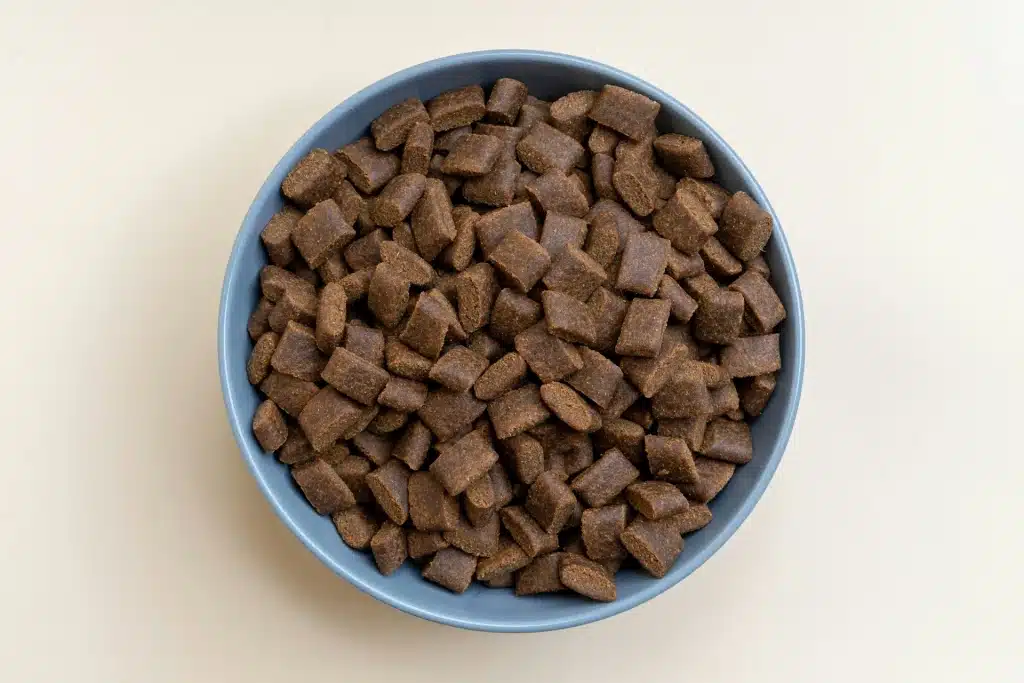
Dog food toppers are small additions you mix through kibble to improve smell, moisture and texture. Homemade toppers for dog food can be as simple as warm water, pumpkin, sardines, egg or finely chopped dog-safe vegetables. If you want dog meal toppers that are more than flavour, Kuri raw food adds pre-portioned meat, organ, bone and tripe in a controlled way.
Use toppers as a small part of the meal, not as a second dinner. Start small, mix the topper through the kibble, and watch your dog’s stools, appetite and weight before adding more.
If toppers have become a daily fix for dry food, it is worth checking the bigger picture too. Use Kuri’s kibble vs raw dog food cost guide to compare what your current bowl costs each month.
How Can You Make Dog Food More Appealing Fast?
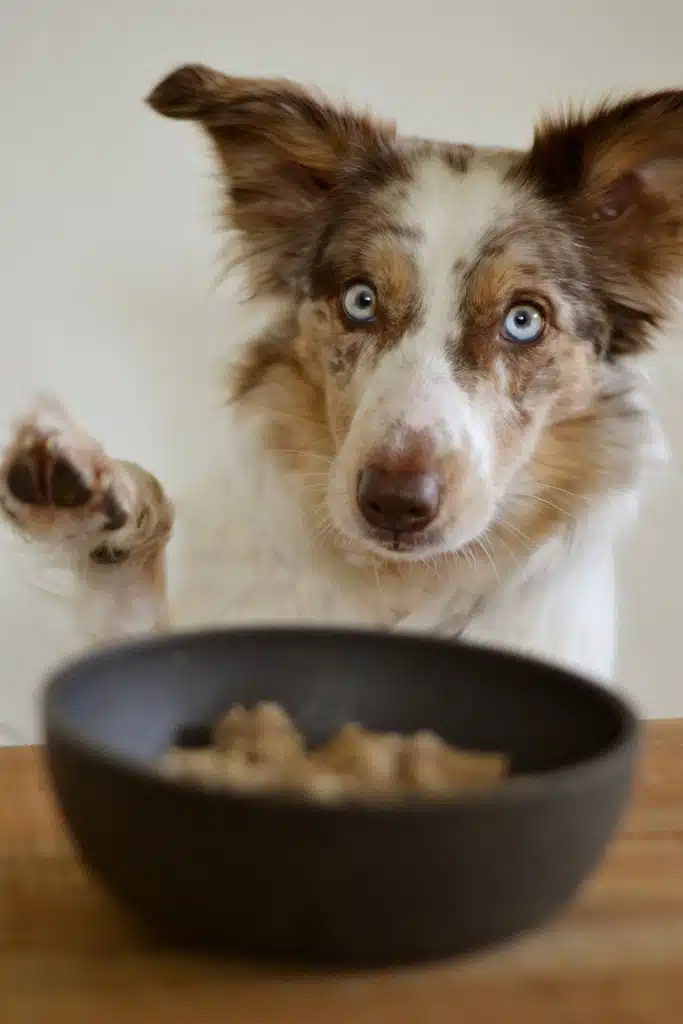
Make dry dog food more appealing by changing three things: aroma, moisture, and texture. Most dogs respond faster to a warm, smelly, mixed-through topper than to a dry pile of extras sitting on top of the bowl.
- Add smell: use raw food, sardines, egg, or warm bone broth.
- Add moisture: soften kibble with warm water or broth for 5 minutes.
- Add texture: mix in pumpkin, kumara, blueberries, or finely chopped vegetables.
- Keep it small: start with 1 teaspoon for small dogs or 1 tablespoon for medium dogs.
If your dog suddenly refuses food, do not keep adding richer toppers for days. A sudden appetite change can point to dental pain, nausea, stress, or illness, so use toppers for normal fussiness rather than as a way to mask a health problem.
What Are The Best Toppers To Make Kibble More Appealing?
The best kibble toppers make the meal smell better, add moisture, and bring in nutrients that dry food often lacks. Use one topper at a time first, then rotate once you know your dog handles it well.
1. Raw Food From Kuri
Why this is first: raw food from Kuri is the most complete topper option because it improves smell, moisture, texture, and real-food value at the same time. It is not just a flavour trick. Kuri raw medallions include meat, organ, bone, and tripe in pre-portioned serves, so you are not guessing with random fridge scraps.
If you are thinking beyond a topper, the Kuri raw dog food Christchurch guide explains delivery, protein choices and sensible starting portions.
For a kibble-fed dog, start by mixing a small amount through the bowl. The goal is to make the meal more appealing without suddenly changing the whole diet. If your dog responds well, you can slowly increase the raw portion or read our guide on how to transition your small dog to raw food.
2. Warm Water Or Low-Sodium Bone Broth
Warm water is the easiest fix for boring kibble. It releases aroma, softens dry biscuits, and helps dogs that prefer a warmer, wetter texture. For more smell and flavour, use a dog-safe, low-sodium beef bone broth.
Let the food sit for a few minutes before serving. Avoid broths with onion, garlic, heavy salt, or seasoning mixes.
3. Pureed Pumpkin
Pureed pumpkin adds fibre and moisture, which can help dogs with mild digestive irregularity. It also has a natural sweetness that many dogs like. Use plain pumpkin only, not sweetened pie filling or anything with spice.
Start with a teaspoon for small dogs or a tablespoon for larger dogs, then adjust based on stool quality.
4. Sardines In Water
Sardines are strongly scented, so they are useful for dogs that turn away from dry food. They also provide omega-3 fats, which can support skin and coat condition.
Choose sardines in spring water, not oil, brine, tomato sauce, or chilli. Use a small amount because the smell and richness go a long way.
5. Egg
Egg can make dog food more appealing because it adds protein, fat, and a soft texture. Lightly scrambled egg with no butter, salt, onion, or seasoning is the safest everyday option.
Some dogs tolerate raw egg well, but it is not the right choice for every dog. If your dog is immune-compromised, very young, very old, or prone to stomach upsets, use cooked egg or ask your vet first.
6. Blueberries
Blueberries add a small burst of sweetness, moisture, and antioxidants. They work best as a light topper for dogs that like fruit, not as a major part of the meal.
Use fresh or thawed berries and squash them slightly so small dogs can eat them safely.
7. Kumara
Cooked kumara adds fibre, moisture, and a soft texture that mixes easily through kibble. It is useful when you want a gentle topper that is not too rich.
Serve it plain, cooked, and mashed. Do not add butter, salt, milk, garlic, or onion.
8. Fresh Dog-Safe Vegetables
Finely chopped or lightly steamed vegetables can add crunch, moisture, and variety. Good options include carrot, cucumber, green beans, and courgette.
Keep vegetable toppers small. Too much fibre can cause gas or loose stools, especially if your dog is not used to fresh food.
9. Muscle Meat And Organ Meat
A small amount of plain meat can make kibble smell and taste better. Heart is muscle meat and can be a useful topper, while liver and other organs are nutrient-dense and should be used sparingly.
This is where pre-portioned raw food is easier than guessing. Too much organ meat can upset the stomach, so keep it controlled.
10. Plain Water
Plain warm water is not exciting, but it works. It softens kibble, increases aroma, and helps dogs that avoid hard, dry textures.
If your dog prefers soaked food, use that as a clue. Texture may be the issue, not flavour.
How Much Topper Should You Add To Kibble?
Use toppers as a small part of the meal, not a second dinner. For most dogs, toppers should stay around 10% of daily calories unless you are using a complete and balanced raw food as part of a planned transition.
| Dog size | Starter amount per meal | What to watch |
|---|---|---|
| Small dog | 1 teaspoon to 1 tablespoon | Loose stool, refusal of plain food, weight gain |
| Medium dog | 1 to 2 tablespoons | Stomach upset, begging for richer toppings |
| Large dog | 2 to 4 tablespoons | Extra calories adding up quickly |
If you are using raw food as a real part of the diet, not just a topper, adjust the kibble down so the total meal still suits your dog’s size, age, and activity level.
What Foods Should You Avoid Adding To Dog Food?
Do not make dog food more appealing with ingredients that are unsafe or too rich. Some human foods are dangerous for dogs even in small amounts.
- Onion, garlic, chives, or foods cooked with them.
- Chocolate, grapes, raisins, macadamia nuts, or xylitol.
- Cooked bones, which can splinter.
- Highly salted broths, gravy, bacon fat, or heavily seasoned leftovers.
- Large amounts of dairy if your dog gets gas, itching, or diarrhoea from it.
Also avoid changing too many things at once. If your dog gets itchy, gassy, or loose stools, you need to know which ingredient caused it.
How Can You Use Toppers Without Making Your Dog Pickier?
Toppers can train picky behaviour if every refusal earns something richer. Use a routine instead of negotiating with the bowl.
- Pick one topper and use a measured amount.
- Mix it through the food so your dog cannot just lick the top.
- Put the bowl down for 15 to 20 minutes.
- Lift the bowl if your dog walks away.
- Do not keep upgrading the meal with better offers.
If your dog eats happily with a little moisture or raw food mixed through, that is useful information. If they reject food unless it is heavily dressed up, the underlying food may not be appealing enough or there may be a health issue worth checking.
When Should You Stop Trying Toppers And Call A Vet?
Call a vet if the appetite change is sudden, repeated, or paired with other symptoms. Toppers are for normal food boredom and mild pickiness; they are not a fix for pain or illness.
- Your dog refuses all food for more than 24 hours.
- Your puppy, senior dog, or toy breed skips meals and seems weak.
- Your dog has vomiting, diarrhoea, drooling, coughing, or obvious pain.
- Your dog wants to eat but drops food, chews strangely, or paws at the mouth.
- Your dog loses weight or becomes unusually tired.
If the issue is simply that dry food is dull, small toppers can help. If the issue is that your dog feels unwell, making the food smell stronger is the wrong answer.
What Are The Most Common Questions About Making Dog Food More Appealing?
How do I make dog food more appealing?
Add a small amount of moisture, smell, or real-food texture. Raw food, warm water, bone broth, pumpkin, sardines, egg, and dog-safe vegetables are the easiest options.
What can I put on kibble for picky dogs?
For picky dogs, start with something aromatic and easy to mix through the bowl. Kuri raw food, warm bone broth, sardines in water, or a little scrambled egg usually works better than dry toppings.
Can I add raw food to kibble?
Yes, many dogs can eat raw food and kibble in the same bowl. Start small, watch stool quality, and reduce kibble if raw becomes a meaningful part of the meal rather than a light topper.
Should I add warm water to dry dog food?
Yes. Warm water is a simple way to soften kibble, release aroma, and make dry food easier to eat. Let it soak briefly before serving.
How much topper should I use?
Start with 1 teaspoon for small dogs, 1 tablespoon for medium dogs, or 2 tablespoons for large dogs. Keep toppers around 10% of daily calories unless you are deliberately transitioning to a complete raw diet.
Can toppers make my dog picky?
Yes, if you keep adding better toppings every time your dog refuses food. Measure the topper, mix it through the meal, and avoid turning dinner into a negotiation.
What should I not add to dog food?
Do not add onion, garlic, grapes, raisins, chocolate, xylitol, cooked bones, salty gravy, or heavily seasoned leftovers. These are unsafe or too risky for dogs.
What is the best topper if I want something balanced?
Raw food from Kuri is the best option if you want more than flavour, because it adds moisture, smell, texture, and real-food nutrition in a pre-portioned format.
If you are adding toppers because the same dry bowl is no longer working, compare that approach with a measured raw meal. The KURI raw-feeding guide and calculator shows what a starting portion looks like, and you can check current raw-food prices here.