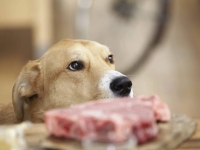
If someone asked you right now to describe what healthy dog teeth look like, could you do it? Most dog owners couldn't, because they've never actually been shown. Vets check teeth, groomers notice them, but most of us just wait for the bad smell.
The problem is, by the time the smell arrives, damage has already been developing for months. This guide shows you exactly what healthy teeth and gums should look like in your dog, then walks you through four early warning signs that dental disease may already be starting, so you can spot trouble well before it becomes serious.
Why most dog owners miss early dental problems
Dental disease in dogs doesn't announce itself with a dramatic event. It creeps in slowly, and most owners have no baseline for comparison. Here's why problems are so easy to miss.
Why bad breath often appears after damage has already been developing
Most owners use smell as their first indicator that something's wrong with their dog's teeth. But bad breath is a late sign, not an early one. By the time you notice it, the underlying damage, tartar build-up, gum inflammation, even early bone loss, has often been progressing for months. Smell tells you there's already a problem. It doesn't warn you one is coming.
Why owners need to know what healthy teeth look like before problems show up
You can't spot something wrong if you don't know what right looks like. That's the core issue. Most dog owners have never been clearly shown the signs of healthy dog teeth and gums, so they have nothing to compare against. Once you know the baseline, early changes become much easier to catch, before they turn into pain, infection, or expensive vet bills.
What healthy dog teeth and gums should look like
Here's what you're looking for when you check your dog's mouth. These are the signs of healthy dog teeth and gums, your baseline for comparison.
Teeth should be white to light cream
Healthy dog teeth are white to light cream in colour. Some light variation is normal, but the teeth should look clean and relatively uniform. Heavy yellowing or brown patches are not part of a healthy baseline.
The gum line should be pink, firm, and flush against the tooth
Healthy dog gums are pink and firm. They should sit flush against the tooth with no gaps, puffiness, or pulling away. The gum tissue should look tight and well-attached, not loose or spongy.
There should be no redness or swelling
When you look at your dog's gum line, you shouldn't see any redness or swelling. Healthy gums have a consistent pink tone without inflamed patches. Redness, even in a small area, can be an early indicator that something is changing.
There should be no brown line at the base of the tooth
A brown or discoloured line where the tooth meets the gum is not normal. In a healthy mouth, the transition from tooth to gum is clean, with no visible build-up or discolouration at the base.
When gums are pressed gently, pink colour should return within a couple of seconds
This is a simple check you can do at home. Press gently on your dog's gum with your finger. The area will briefly go pale. In healthy gums, the bright pink colour should return within a couple of seconds. If it takes longer, that can indicate a circulation or health issue worth raising with your vet.
4 signs dental disease may already be starting
Now that you know what healthy dog teeth look like, here are four specific signs that dental disease may already be underway. These are listed roughly in order from early to advanced.
A brown or yellow line at the gum edge can mean mineralised tartar
If you see a brown or yellow line forming right at the gum edge, that's mineralised tartar, hardened plaque that has calcified onto the tooth surface. This is one of the earliest visible signs of dental disease in dogs, and it won't brush away on its own. Once tartar has formed, it typically needs professional removal.
Red and puffy gums at the margin can mean early gingivitis
Red, swollen gums right at the margin where gum meets tooth is a classic sign of early gingivitis. The gums may look puffy or irritated compared to healthy tissue. This is your dog's body responding to bacterial build-up along the gum line. Catching red swollen gums in dogs early gives you the best chance of reversing the problem before it progresses.
A tooth that looks longer than the others can mean gum recession
If one tooth appears noticeably longer than its neighbours, the tooth probably hasn't grown, the gum has receded. Receding gums in dogs expose more of the tooth root, which can lead to sensitivity, infection, and further deterioration. This is a sign the disease has moved beyond the very earliest stage.
Any tooth that moves when touched can point to advanced disease
A loose tooth in a dog is a serious finding. If a tooth moves when you touch it, that typically means the supporting structures, the bone and ligaments holding the tooth in place, have been significantly compromised. This points to advanced periodontal disease and warrants a vet visit as soon as possible.
What to expect when you check your dog's teeth
Now you know what to look for. Here's what's likely to happen when you actually open your dog's mouth and take a look.
Why many dogs, especially older dogs, may show at least one warning sign
Once you start checking, you'll probably find at least one of these signs, particularly if your dog is older. That's extremely common. Dental disease is one of the most widespread health issues in dogs, and most cases go unnoticed simply because owners haven't been taught how to check.
Why finding a problem does not mean you have failed your dog
If you spot tartar, red gums, or any of the signs above, don't beat yourself up. It doesn't mean you've failed your dog. It means you now know something you didn't know before, and that puts you in a much better position to act. Awareness is the first step, and you're already taking it by learning what healthy dog teeth look like.
Why some owners report better dental checks after raw feeding with meaty bones
This isn't a miracle claim, but it's a pattern many dog owners notice, and it's worth understanding why.
The role of mechanical chewing action in disrupting plaque before it hardens
The single most consistent observation many owners report after switching to raw feeding with meaty bones is that their dog's next dental check at the vet goes better than expected. The reason comes down to mechanics. When a dog gnaws on a raw meaty bone, the chewing action physically scrapes and disrupts plaque on the tooth surface before it has a chance to mineralise into tartar. It's the sustained, mechanical contact between bone and tooth that does the work.
Why raw feeding is not presented as magic, but as a mechanical aid
To be clear, raw feeding isn't magic. No single food or product can guarantee perfect dental health. But the mechanical action of chewing raw meaty bones provides a genuine, physical mechanism for plaque disruption, which is something many processed foods and treats simply don't offer. It's one practical tool among others, and many owners find it makes a noticeable difference over time.
Frequently Asked Questions
What colour should healthy dog teeth be?
Healthy dog teeth should be white to light cream. Heavy yellowing, brown patches, or discolouration at the gum line are signs that something may be developing.
What should healthy dog gums look like?
Healthy dog gums should be pink and firm, sitting flush against the tooth. There should be no redness, swelling, or gaps between the gum and tooth. When pressed gently, the pink colour should return within a couple of seconds.
Is a brown line at the gum line normal in dogs?
No. A brown or yellow line at the gum edge is mineralised tartar, hardened plaque that has built up on the tooth surface. It's one of the earliest visible signs of dental disease and typically requires professional removal.
What does early gingivitis look like in a dog?
Early gingivitis appears as red, puffy gums right at the margin where the gum meets the tooth. The tissue may look swollen or irritated compared to the surrounding healthy gum.
Why does my dog's tooth look longer than the others?
A tooth that looks longer than its neighbours usually indicates gum recession, the gum has pulled away from the tooth, exposing more of the root. This is a sign that dental disease has progressed beyond the earliest stage.
What does it mean if a dog's tooth moves when touched?
A loose tooth in a dog points to advanced periodontal disease. It means the bone and ligaments supporting the tooth have been significantly compromised. This warrants a vet visit as soon as possible.
Take a moment today to check your dog's teeth and gums using the signs above. If you'd like to learn more about simple feeding habits that may support your dog's dental health, including how raw meaty bones fit in, we're always happy to help at Kuri.
 01Sep
01Sep