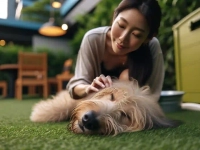
Updated July 2026: Rest is not a bonus at doggy daycare. For small dogs, it is one of the things that keeps the day safe, useful and enjoyable.
A small dog can look busy and happy while quietly tipping into overstimulation. That is why Kuri City builds rest into the daycare day, rather than treating daycare as six or eight hours of constant play.
TL;DR: why rest matters in daycare
- Small dogs often need shorter play bursts and more recovery time than owners expect.
- Rest helps prevent the day from becoming too noisy, frantic or stressful.
- A good daycare should be able to explain how dogs rest, not just how they play.
- If your dog comes home wired, clingy or flattened, the day may have been too much.
- Kuri’s small-dog daycare is structured around play, enrichment and rest.
Why do small dogs need rest at daycare?
Small dogs can burn energy quickly. They may also be more affected by noise, movement and repeated social pressure than larger dogs. Rest gives their body and brain time to reset before the next part of the day.
Without rest, some dogs become louder, pushier, more anxious or less able to read other dogs. That does not mean they are badly behaved. It can mean they are tired and need a break.
What does healthy daycare rest look like?
Healthy rest is planned, calm and normal. Dogs should have places where they can pause without being pestered. Staff should notice when a dog is getting too stimulated and help them step out before they boil over.
At Kuri, rest is part of the small-dog routine. The goal is not to send every dog home exhausted. The goal is a balanced day that your dog can enjoy and recover from.
How can you tell if your dog is getting enough rest?
A dog that has had a good daycare day will usually be tired but settled. They may sleep more that evening, eat normally and wake up like themselves the next day.
A dog that has had too much may come home frantic, unable to settle, unusually clingy, snappy, flat or unsettled the next morning. If that happens repeatedly, the schedule needs adjusting.
Why constant play is not the goal
Constant play sounds good in theory, but it is not how most dogs stay regulated. Small dogs need variety: short play, sniffing, people time, quiet time, enrichment and sleep.
This is especially true for puppies, older dogs and dogs that are socially interested but easily overwhelmed. They may love daycare, but only if the day has enough pauses.
What should you ask a daycare about rest?
- Where do dogs rest during the day?
- Are rest periods scheduled or only offered when a dog is already tired?
- How does the team spot overstimulation?
- Can quieter dogs step away from busy play?
- Will the team tell you if your dog needs shorter days or fewer visits?
How Kuri uses rest for small dogs
Kuri City is built for small breeds under 15kg, so the whole day is shaped around small-dog energy. Dogs are not expected to keep up with a mixed-size group or manage large dogs in the same space.
Rest is built into the day at Kuri’s Christchurch daycare. If your dog comes home completely overwhelmed, the daycare structure probably needs more quiet time, not more stimulation.
FAQ
Should my dog sleep after daycare?
Yes. Many dogs sleep after daycare. That is normal as long as they are otherwise relaxed, eating, toileting and acting like themselves.
Is it bad if my dog is exhausted?
One big sleep is not automatically a problem. Repeated exhaustion, frantic behaviour or next-day stress is a sign to adjust the plan.
Can older small dogs attend daycare?
Sometimes. It depends on health, confidence, temperament and how much rest they need. A short visit or fewer days may be more appropriate than a full week.
Next step
If you want daycare that is built around small dogs, not constant high-energy play, read more about Kuri daycare or call (03) 355 5874.



 19Aug
19Aug